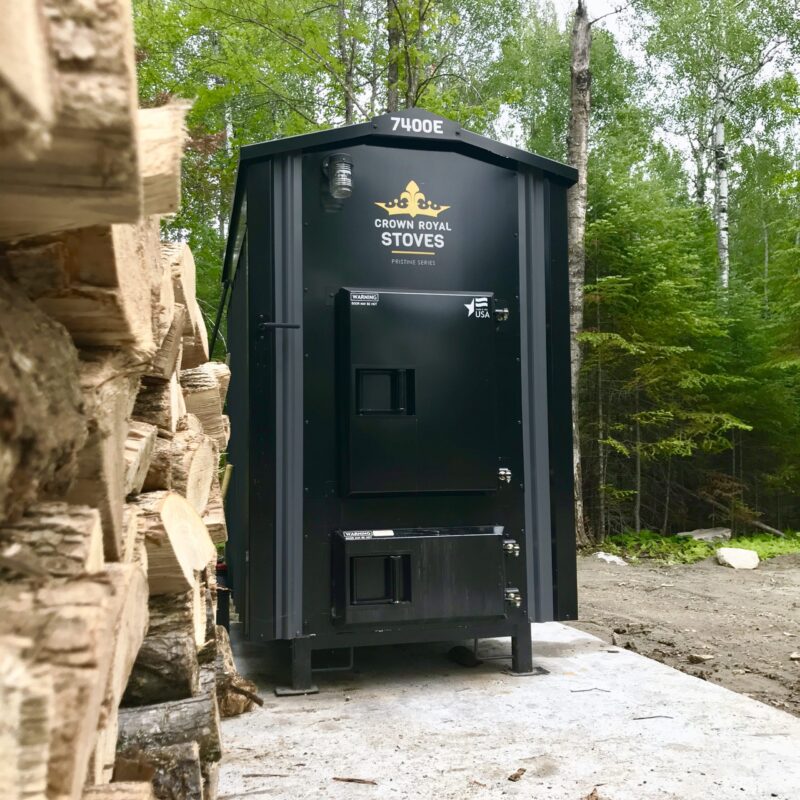
How to Prepare the Perfect Wood for Your Outdoor Wood Boiler
Achieving the best and most trusted performance from your outdoor wood boiler starts with one critical factor: properly seasoned firewood. The right wood can maximize efficiency, reduce creosote buildup (creosote is a black or dark brown, sticky substance that forms when wood doesn’t burn completely), and ensures consistent heat output. Because that’s what you truly want, a reliable burn.
Understanding Wood Seasoning
Seasoning is the process of drying freshly cut wood to reduce its moisture content. Properly seasoned wood is crucial for efficient burning, if wood is wet or green it creates several problems:
- Produces excessive smoke
- Generates less heat
- Increases creosote buildup
- Reduces overall boiler efficiency
Choosing the Right Wood for your Outdoor Boiler
Not all wood is created equal, but both hardwoods and softwoods can be effective fuel for outdoor wood boilers. Hardwoods are typically favored for their density and long, efficient burns, while softwoods can also be useful, especially when dry, for quicker heat and easier ignition.
- Oak: Produces excellent heat and burns slowly
- Maple: High heat output with minimal smoke
- Hickory: Extremely dense with high heat value
- Ash: Quick to season and burns cleanly
The Wood Seasoning Process: Step by Step
1. Cutting and Splitting
- Cut wood to consistent lengths (typically 18-24 inches for most wood boilers)
- Split wood into smaller pieces to increase surface area for faster drying
- Aim for split pieces about 4-6 inches in diameter
2. Proper Wood Storage
- Store wood off the ground on pallets or wood racks
- Create a covered area with open sides to allow air circulation
- Stack wood in a single row or cross-stacked manner
- Ensure top of woodpile is covered to protect from rain while leaving sides open
3. Drying Time
- Hardwoods typically require 12+ months or more to dry
- Ideal moisture content is below 20% for optimal burning
Moisture Testing
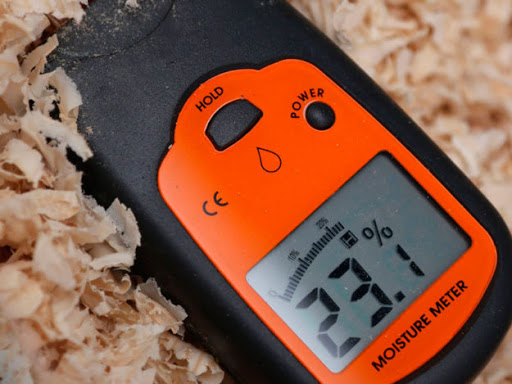
Invest in a moisture meter to accurately determine wood’s readiness:
- Readings below 20% indicate properly seasoned wood
- Readings above 25% suggest the wood needs more drying time
Additional Tips for Wood Boiler Success
- Rotate your woodpile, using oldest wood first
- Keep different years’ wood separate
- Maintain a two-year wood supply if possible
- Store wood in a location convenient to your outdoor wood boiler
- Protect wood from ground moisture and direct rain
Signs of Properly Seasoned Wood
- Lightweight and easy to handle
- Bark begins to separate or fall off
- Ends of logs appear cracked or checked
- Produces a hollow sound when two pieces are knocked together
- Minimal moisture when split
Common Mistakes to Avoid
- Burning unseasoned or green wood
- Storing wood directly on the ground
- Covering wood completely, preventing air circulation
- Cutting and using wood in the same season
- Storing wood too close to your home (potential insect issues)
Fire Up Your Success!
Preparing the perfect firewood for your outdoor wood boiler is part science, part art. By following these guidelines, you’ll ensure maximum efficiency, reduce maintenance issues, and enjoy consistent, clean-burning heat throughout the cold months.
Remember, patience is key in wood seasoning. The time and effort you invest in preparing your firewood will pay dividends in performance and longevity of your outdoor wood boiler.
References and Resources
- U.S. Department of Energy. (2023). “Biomass (Solid) Heating Systems.” Energy Saver Guide. https://www.energy.gov/energysaver/biomass-solid-heating-systems
- National Renewable Energy Laboratory. (2022). “Firewood Preparation and Storage.” https://www.nrel.gov/research/biomass-heating.html
- University of Missouri Extension. (2021). “Selecting, Cutting, and Seasoning Firewood.” https://extension.missouri.edu/publications/g5047
- Environmental Protection Agency. (2022). “Burn Wise: Wood Smoke and Your Health.” https://www.epa.gov/burnwise
- North Dakota State University Extension. (2023). “Firewood Storage and Seasoning.” https://www.ag.ndsu.edu/publications/woodstoves